

Aviation Appreciation Friday!
Giovanni Battista Caproni: The Italian Dreamer Who Took Flight If there’s one thing we can say about Giovanni Battista Caproni, it’s that he was a man with a vision—a vision that soared as high as the planes he...
Giovanni Battista Caproni: The Italian Dreamer Who Took Flight If there’s one thing we can say about Giovanni Battista Caproni, it’s that he was a man with a vision—a vision that soared as high as the planes he...
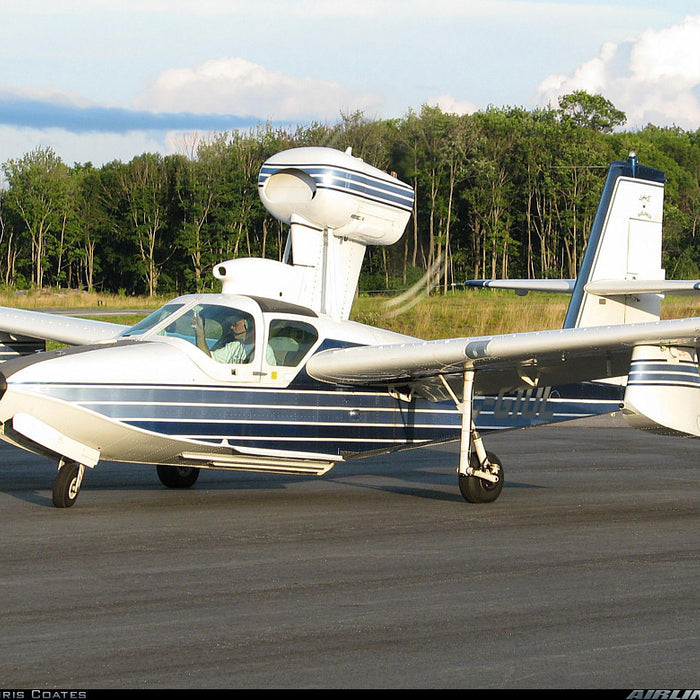
Conceptualization: The Lake Buccaneer was designed with a clear goal in mind: to give pilots the freedom to fly anywhere, whether over land or water. Back in the 1950s and 60s, more people were getting into recreational flying, and they...

Conceptualization: The Saab 340 was developed in response to the evolving aviation market of the late 1970s and early 1980s. During this period, regional airlines were looking for aircraft that could efficiently operate short-haul routes while keeping fuel and maintenance...
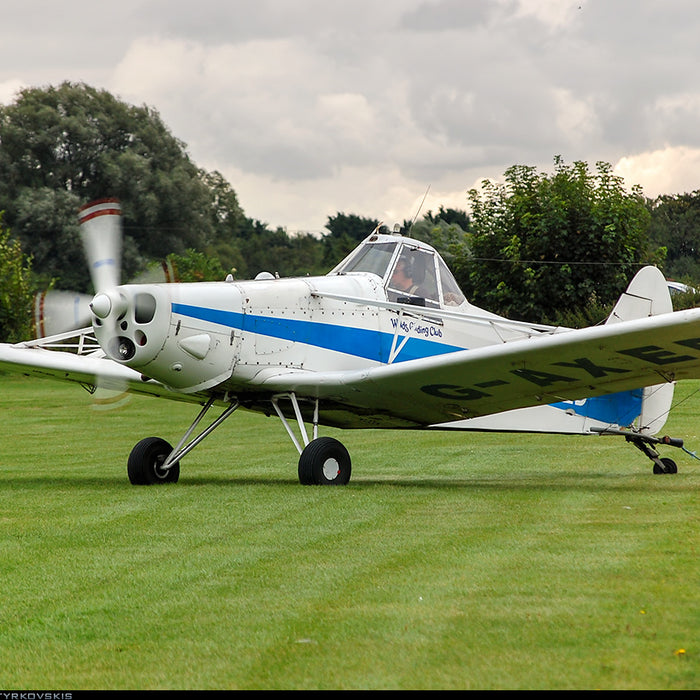
Conceptualization: The Piper PA-25 Pawnee came to life in the late 1950s, due to the growing need for a dedicated agricultural aircraft. At the time, crop-dusting was becoming more popular, but most of the planes used were general aviation aircraft...
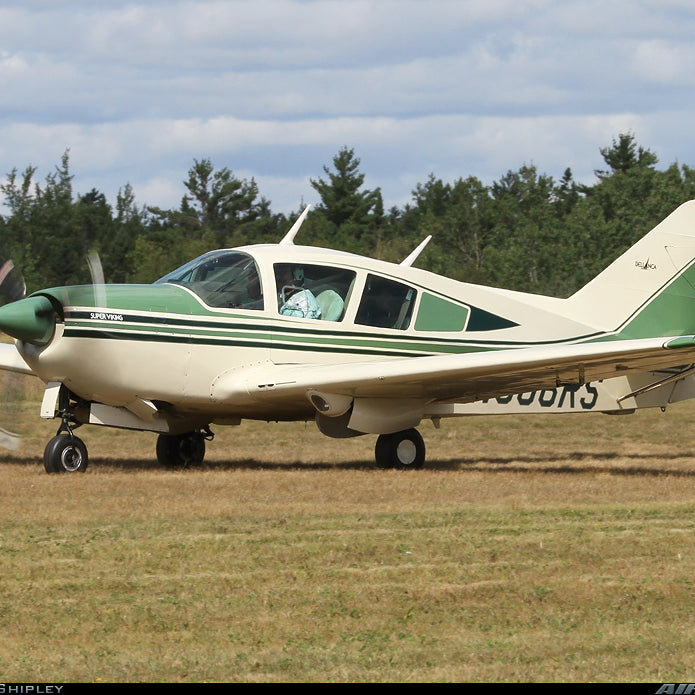
Conceptualization: The Bellanca Viking was developed in the late 1960s in response to growing demand for fast, sleek, and high-performance personal aircraft. During this era, affluent pilots sought more from their airplanes than just basic transportation—they wanted speed, comfort,...
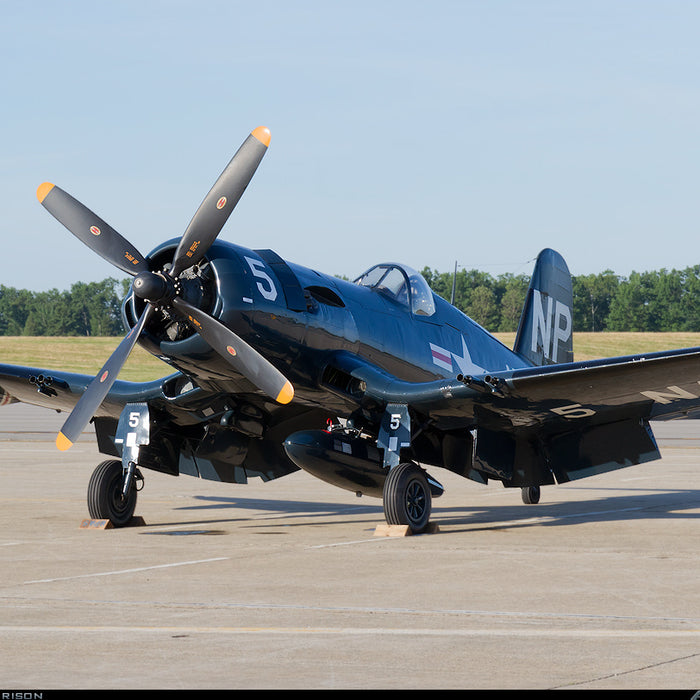
Conceptualization: The Vought F4U Corsair was a response to a very real need at the time. As World War II approached, the U.S. Navy wanted a fast, powerful fighter that could handle both dogfights and ground attacks. Think about...

Conceptualization: The SR-71 Blackbird was born out of necessity during the Cold War, when tensions between the United States and the Soviet Union reached a point where intelligence became a key tool for strategic advantage. In the late 1950s,...
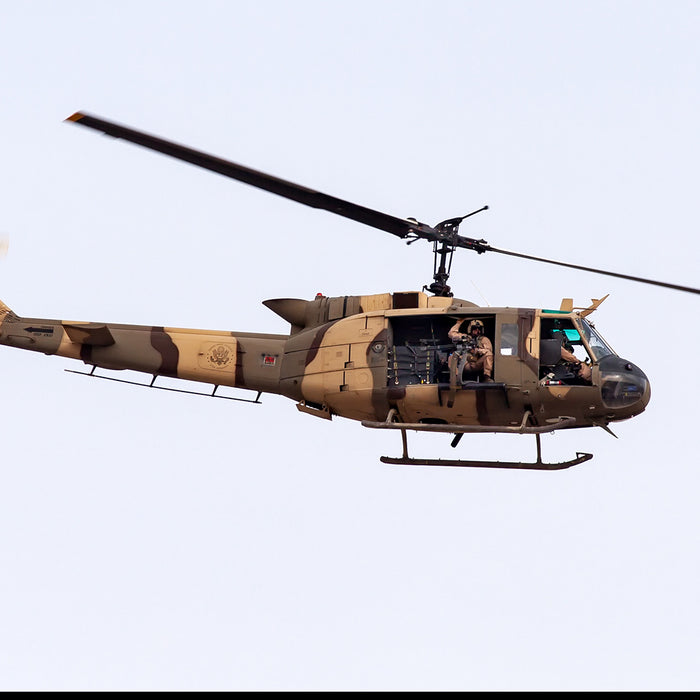
Conceptualization: The Bell UH-1 Huey was developed in the early 1950s, when the U.S. Army was looking for a helicopter that could do it all: evacuate wounded soldiers, transport troops, and carry supplies. At the time, helicopters like the H-13...

Bessie Coleman was the first African American Woman Pilot. Born on January 26, 1892, in Atlanta, Texas, she grew up in a large family with twelve siblings. Despite the challenges of her upbringing, Coleman displayed a strong sense of determination...